The Nature of Luck in Gambling
Luck is often regarded as the chief determinant in the realm of gambling. Many participants attribute their successes to sheer luck, while defeats are frequently brushed off as unfortunate events. However, the reality of luck is intrinsically random, making it challenging to quantify or forecast. In gambling, each result stands alone, implying that prior outcomes do not affect subsequent ones. This randomness is precisely what renders games like roulette and slot machines so captivating, as players can access platforms like 1win that provide the thrill of potentially hitting a jackpot, keeping them returning for more.
Furthermore, the emotional and psychological facets of luck cannot be overlooked. Gamblers often experience a phenomenon called the „gambler’s fallacy,” which involves the erroneous belief that past outcomes can sway future results. For instance, if a player endures a series of losses, they may convince themselves that a win is imminent. This misapprehension of probability can lead to poor judgment and riskier bets. Therefore, while luck undeniably plays a significant role, grasping the fundamentals of probability can aid players in managing their expectations and outcomes during gambling scenarios.
The unpredictable nature of luck also raises the intriguing question of “hot” and “cold” streaks. Players frequently believe certain games or tables become more favorable at particular times. Although these beliefs inject an element of excitement, they are primarily based on perception rather than any statistical truth. The excitement of gambling is often derived not just from winning but also from the hope and anticipation that luck could shift at any moment, perpetuating the ongoing cycle of play.
Mathematics and Probability in Gambling
While luck may appear to be capricious, the underlying mathematics of gambling offers a more structured approach to understanding outcomes. Each game operates under a set of odds that dictate how likely an event is to occur. For instance, in poker, the odds of being dealt a specific hand can be calculated mathematically. Players who familiarize themselves with these odds can make educated decisions that enhance their chances of winning, often balancing luck with strategy and skill.
Probability does not guarantee success; however, it can refine a player’s gambling strategy. By understanding the odds, gamblers can make better choices regarding when to place bets, how much to wager, and when to step away from the table. For example, in blackjack, knowing when to hit or stand based on the dealer’s visible card involves a mix of luck and well-informed decisions rooted in probability. Consequently, experienced players often emphasize the necessity of being both lucky and knowledgeable.
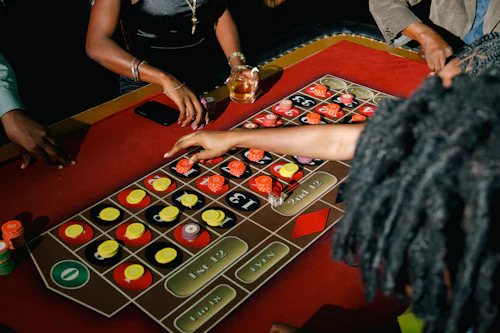
In addition, the concept of house edge is crucial to grasp. Every gambling game is designed with an inherent advantage favoring the casino, meaning that over time, the casino will invariably profit. Recognizing this edge can help players understand that while luck may lead to sporadic wins, long-term success in gambling is more likely to rely on strategic choices and game selection rather than pure chance. This perspective provides a more nuanced understanding of luck in gambling, suggesting that it is merely one component in the larger puzzle of gaming outcomes.
The Role of Psychology in Gambling
Psychology significantly influences how players perceive luck and make decisions while gambling. The motivations for gambling are diverse, ranging from social interaction to the thrill of taking risks. Additionally, players often form emotional attachments to specific games or betting strategies, shaping their perception of luck. This psychological dimension can result in cognitive biases and skewed views about how luck works in their favor, often leading to continued play despite unfavorable odds.
Studies indicate that gamblers can display behaviors known as „loss chasing,” in which individuals persist in gambling to recover losses. Such behaviors undermine rational thinking and prompt impulsive actions, highlighting the complexity of the psychological connection with luck. Gamblers frequently convince themselves that their fortunes will shift, leading to increased wagers and deeper financial commitments—a dynamic that can be exhilarating yet perilous.
Moreover, cognitive biases, such as the illusion of control, can lead players to mistakenly believe they can manipulate outcomes. This often manifests in players adopting specific rituals or superstitions to try to sway luck in their favor. Acknowledging these psychological aspects is vital; they can profoundly affect a gambler’s experiences and outcomes, underscoring the intricate interplay between luck, psychology, and gambling behavior.
Can Technology Predict Luck?
The rise of technology in gambling has ushered in advanced tools designed to analyze patterns and outcomes. Predictive algorithms and artificial intelligence are now employed by some platforms to monitor player behavior and results. While these technologies can enhance understanding of trends and probabilities, the randomness inherent in chance games means they cannot reliably predict luck. Technological advancements can improve gameplay, but they do not eliminate the reliance on chance.

For example, data analytics can assist players in identifying more advantageous betting strategies based on historical outcomes. However, the essence of luck remains elusive; no amount of technological intervention can alter the fundamental principles of chance. This raises intriguing questions about the future of gambling—will technology create a landscape where luck is diminished? While predictive models may offer strategic insights, they cannot endow players with luck, preserving its mystery and allure within the gaming industry.
Additionally, a growing segment of players is turning to mobile applications that provide insights into their gambling habits and performance over time. These tools can empower gamblers to make informed decisions, but reliance on technology cannot replace the unpredictable nature of luck in games. As technology advances, it serves primarily as a means of understanding game mechanics rather than a method of controlling luck, adding yet another layer to the complex relationship between gambling and chance.
Explore More at Our Website
For those captivated by the intricate dynamics of luck, psychology, mathematics, and technology within gambling, our website serves as a comprehensive resource. We delve into various aspects of gambling, from strategic insights to the psychological factors influencing player behavior. With expertly crafted articles, guides, and forums, we aim to empower our readers to navigate the gambling world more effectively.
Our content is designed to demystify gambling, shedding light on how luck interacts with skill and decision-making. By grasping the underlying principles of probability and psychology, players can approach gambling with a more balanced and informed perspective. Whether you are a beginner or a seasoned veteran, our resources can enrich your gambling experience while educating you about the associated risks and rewards.
Join us in unraveling the myths surrounding luck and dive deeper into the gambling landscape. By exploring our materials, you can cultivate a more informed approach to gambling, enhancing both the thrill and understanding of every game you engage in. Your journey into the compelling interplay between luck and skill begins here, and we are excited to accompany you along the way.